

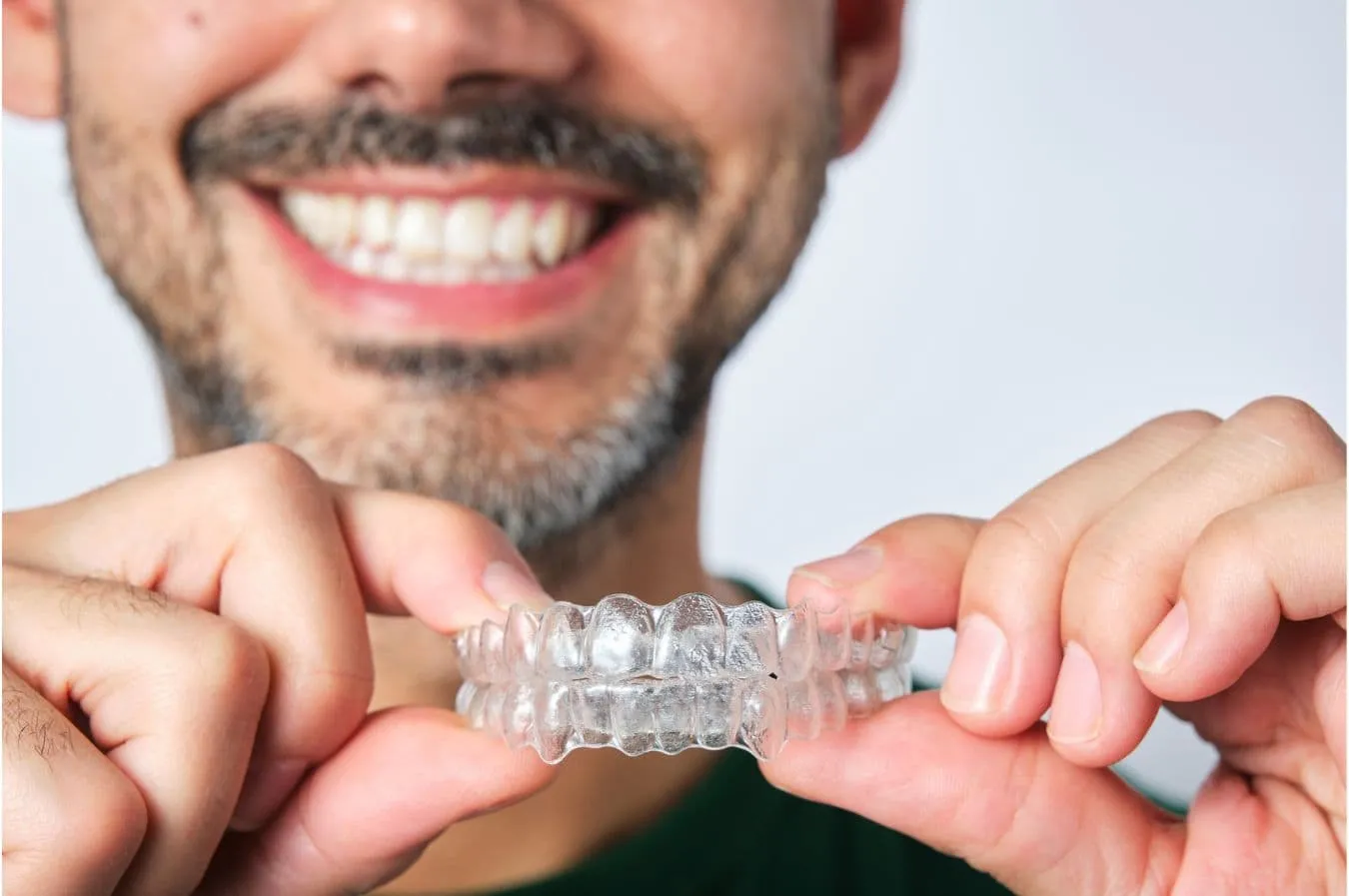
Most adults who call an orthodontic office start the conversation the same way: “I know I’m probably too old for this, but…” It is the single most common misconception in adult orthodontics, and it is wrong. Teeth move in response to gentle, sustained pressure, and that biological process does not switch off at 30, 50, or 70. The bone around your teeth remodels throughout your life. That is why adult treatment works.
What actually changes with age is not whether teeth can move, but the context they move in. Adults often bring restorative work, gum history, a few missing teeth, and years of wear to the table. A good treatment plan accounts for all of it. Here is an honest look at what adult orthodontics involves, what your choices are, and how to decide whether now is the right time.
Why more adults are treating now than ever before
Roughly one in four orthodontic patients in the United States is an adult, and that share has been climbing for two decades. A few things drove the shift. Clear aligners made treatment far less visible, which removed the professional objection that kept many people out of the chair. Digital scanning replaced goopy impressions. And treatment planning software made it easier to show an adult exactly what the finish will look like before anything is bonded.
The motivations are practical as often as they are cosmetic. Crowded teeth are harder to clean, and the areas you cannot reach with floss are the areas that develop decay and gum inflammation. A deep bite can chip the edges of lower incisors over time. An open bite can make it hard to bite through a sandwich. Adults tend to arrive with a specific, concrete complaint, and that focus usually makes them excellent patients.
What is different about treating an adult
Three things separate adult treatment from teenage treatment, and being candid about them is more useful than pretending they do not exist.
No growth to work with. In a growing child, an orthodontist can guide how the jaws develop. In an adult, the skeleton is set. Mild to moderate discrepancies are handled by moving teeth within the bone you have, a process called dental compensation. For a severe skeletal difference, the honest options are compromise treatment that improves alignment without fully correcting the jaw relationship, or a combined orthodontic and surgical approach. Which one is right depends on your goals, not on a rule.
Existing dental work. Crowns, veneers, bridges, and implants behave differently from natural teeth. Brackets bond less predictably to porcelain and need special preparation. Implants do not move at all; they are fixed in bone and are often used as anchors rather than moved as teeth. None of this prevents treatment, but it does mean the plan has to be built around your actual mouth.
Periodontal health comes first. Moving teeth through inflamed, infected gum tissue accelerates bone loss. If you have active gum disease, it gets treated and stabilized before orthodontics starts, not alongside it. Adults with a history of periodontal disease can absolutely be treated; they simply need lighter forces, closer monitoring, and tight coordination with their general dentist or periodontist.
Your treatment options, honestly compared
Clear aligners. For most adults, this is the first thing they ask about, and for a large share of cases it is a genuinely good answer. Aligners are removable, so eating and cleaning are unchanged. They are nearly invisible in conversation. They excel at correcting crowding, spacing, and mild to moderate rotations. Their limitation is compliance: they only work while they are in your mouth, and the target is 20 to 22 hours a day. If you know you will not wear them, say so at the consult and choose something fixed instead. You can read more on our Invisalign for adults page.
Metal braces. Still the most versatile appliance in orthodontics. Nothing controls root position, closes large extraction spaces, or corrects complex bites as precisely. Modern brackets are considerably smaller than the ones you remember from the 1990s, and heat-activated wires apply lighter, more continuous force. If your case is complex, fixed appliances usually get you a better finish in less time. Our braces for adults page covers the details.
Ceramic braces. The same mechanics as metal, with tooth-colored brackets that blend against enamel. They are the common choice for adults who need fixed appliances but want them to be discreet. Ceramic is slightly bulkier and more brittle than metal, so it is typically used on the upper arch where visibility matters most.
Lingual braces. Bonded to the tongue side of the teeth, so they are invisible from the front. They demand a real adjustment period for speech and tongue comfort, and not every case is suitable, but for adults who cannot have visible appliances for professional reasons, they solve the problem completely.
How long adult treatment takes
Most comprehensive adult cases run 12 to 30 months. Minor alignment relapse after childhood braces can sometimes be handled in six months or less. Cases involving extractions, significant bite correction, or coordination with restorative work land at the longer end. Anyone who quotes you a timeline before examining your records and reviewing your radiographs is guessing.
Two factors shorten treatment more than any product: showing up for appointments, and wearing what you are asked to wear. Two factors extend it: broken brackets and aligners left in a drawer.
Retention is not optional, and it is for life
This is the part adults most need to hear. Teeth have a memory. The fibers that attach them to bone remain under tension long after the teeth are straight, and the lower front teeth in particular will drift with age whether or not you had orthodontics. Retainers are what hold the result.
Plan on a fixed retainer bonded behind the front teeth, a removable retainer worn nightly, or both. “Nightly” eventually relaxes to a few nights a week for many patients, but it never goes to zero. Adults who treated as teenagers and are now retreating are almost always the ones who stopped wearing retainers. Do not be that patient twice.
What it costs and how people pay for it
Adult orthodontic fees vary with complexity and appliance, not with age. The bigger variable is insurance: many adult dental plans include a lifetime orthodontic benefit, and many do not cover adults at all. Flexible spending and health savings accounts can be used for orthodontic treatment, and most practices offer monthly payment plans that spread the fee across the treatment period. Our financial information page explains how we handle this, and we go through your specific numbers at the consultation before you commit to anything.
How to decide whether now is the time
Ask yourself what is actually bothering you: appearance, function, cleanability, or wear. Then get a professional read on whether orthodontics addresses it. Sometimes the answer is that a small amount of alignment plus a restorative fix from your dentist solves the problem faster than comprehensive treatment. A consultation that gives you that answer honestly is worth your time even if you decide to wait.
Dr. Garlock and Dr. Smith see adults every week at our Aurora office, from patients in their twenties finishing what they never started as teens to retirees fixing a bite that has bothered them for forty years. If you want to know what your options actually are, schedule a free consultation and we will show you.